Breaker panels
Breaker panels
Your building's breaker panel is the heart of your electrical system. New breakers, sub panels, fuse box replacement, main panel replacement and repairs, from a crew that only works on buildings, never houses.
Chapter 01
The panel is the part of the building that stops revenue
Your building's breaker panel is the heart of your electrical system, and when something goes wrong with it the building feels it immediately. Problems with a panel do not stay contained to the electrical room. They show up as downtime on a sales floor, damaged equipment on a production line or in a walk-in cooler, and loss in revenue for every hour the building is not fully operating.
That is the frame North Town Electric puts on a panel call before anything else. A panel is not a piece of equipment tucked out of sight. It is the single point every circuit in the building depends on, and a failure there does not ask which department it is convenient for.
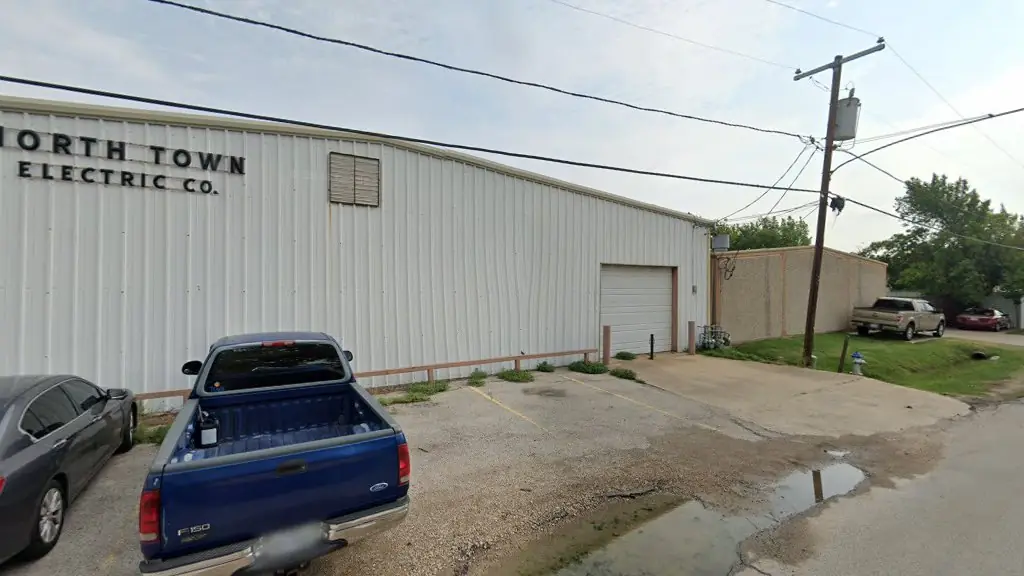
The North Town Electric building on Fabens Road in Dallas, with the meter and disconnect gear visible on the elevation
Three signs the panel is telling you something
There are three signals worth calling about before a panel actually fails outright: a burning smell anywhere near the panel or a breaker, visible damage to a breaker itself, and adding new appliances or equipment to a circuit that was never sized to carry them.
A burning smell is the most urgent of the three and the one that should stop everything else. Visible damage to a breaker, scorching, cracking, a breaker that will not stay reset, means the equipment itself has already started to fail. Adding equipment is different: nothing has to be visibly wrong yet, but a panel loaded past what it was designed for is simply a matter of time, and it is far cheaper to catch that before the first two signs ever show up.
Chapter 03
Sub panels, main panels, and retiring a fuse box
The panel work itself covers a specific list: new circuit breaker installation, sub panel installation, replacing old fuse boxes, replacing old main panels, and repairs to panels already in service. A sub panel is usually the answer when a building needs more circuits than the main panel has room for, without pulling a whole new service. A main panel replacement is the bigger job, and it is the right call when the existing panel is undersized, damaged, or old enough that parts for it are no longer made.
Fuse boxes are their own category. An older commercial building can still be running on fuses rather than breakers, and retiring one is less about any single fault and more about moving the whole building onto equipment that is easier to diagnose, easier to reset safely, and easier to find parts for going forward.
Bringing older wiring up to current code
Upgrading wiring to current code is part of the published scope, and it rarely shows up as its own standalone job. It usually arrives attached to something else: a panel replacement uncovers wiring behind it that was never brought forward, or a tenant build-out triggers a look at circuits nobody has touched in years.
That is the normal way this work happens, not a sign that something was missed earlier. Codes move forward over decades and a building's wiring does not update itself in step. Rather than treat a code upgrade as a separate sale, North Town Electric folds it into whatever job already has the panel open, since that is the point where doing it costs the least and disrupts the building the least.
North Town Electric — Licensed and insured. Texas Electrical Contractor License #17635. Member, Independent Electrical Contractors. Call (972) 620-1995.