The Three Signs A Commercial Breaker Panel Is Telling You Something
A commercial panel rarely fails without warning. These are the three signs worth acting on before it does.
September 8, 2026 · 4 min read
A commercial breaker panel is the point where every circuit in a building answers to one piece of equipment. When it starts to fail, it usually gives some warning first. There are three signs worth knowing: a burning smell near the panel, visible damage to a breaker, and new equipment going into a building that the existing panel wasn't sized to carry.
A burning smell means something is already overheating
A burning smell near a panel almost always means insulation, wiring, or a breaker itself has gotten hot enough to start breaking down. That heat usually comes from a connection that's loosened over time, a breaker with worn internal contacts, or wiring carrying more load than it's rated for. None of those get better on their own. A panel that's already producing heat you can smell is closer to a fault than a normal panel should ever get, and in a commercial building that fault doesn't wait for a convenient time to show up.
Visible damage to a breaker is not cosmetic
Scorch marks, a breaker that feels warm to the touch, or discoloration on a panel cover isn't wear and tear the way it might be on a light switch. A breaker is a safety device, and once it shows physical damage there's no way to know from the outside how much of its capacity to trip correctly is still there. A breaker that holds a load fine one day can fail to trip the next, which is exactly the failure a breaker exists to prevent. Replacing a damaged breaker, a bank of breakers, or the panel around them is routine work for a licensed commercial contractor. Ignoring the damage is the expensive option, not the cheap one.
New equipment changes what the panel has to carry
The third sign isn't damage at all, it's growth. Adding new equipment or appliances, additional refrigeration, more HVAC units, new kitchen or office equipment, changes the total load the panel has to support. A panel sized correctly for a building's original layout doesn't automatically have room for what gets added five or ten years later. This one is easy to miss, because nothing looks wrong until the day a circuit trips under the added load, or the panel simply has no open slots left for a new breaker. The right time to have the panel checked is before new equipment goes in, not after the building is already depending on it.
Running out of room in a panel doesn't always mean replacing the whole thing. A sub panel installed alongside the main panel can add capacity for new equipment without tearing into everything the building already depends on, and it's often the faster path when the existing main panel is otherwise sound. Whether a sub panel, a full panel replacement, or simply upgrading the wiring feeding it is the right answer depends on what the panel already has left to give, which is exactly what an inspection before the new equipment arrives is for.
Why panel trouble becomes downtime and lost revenue
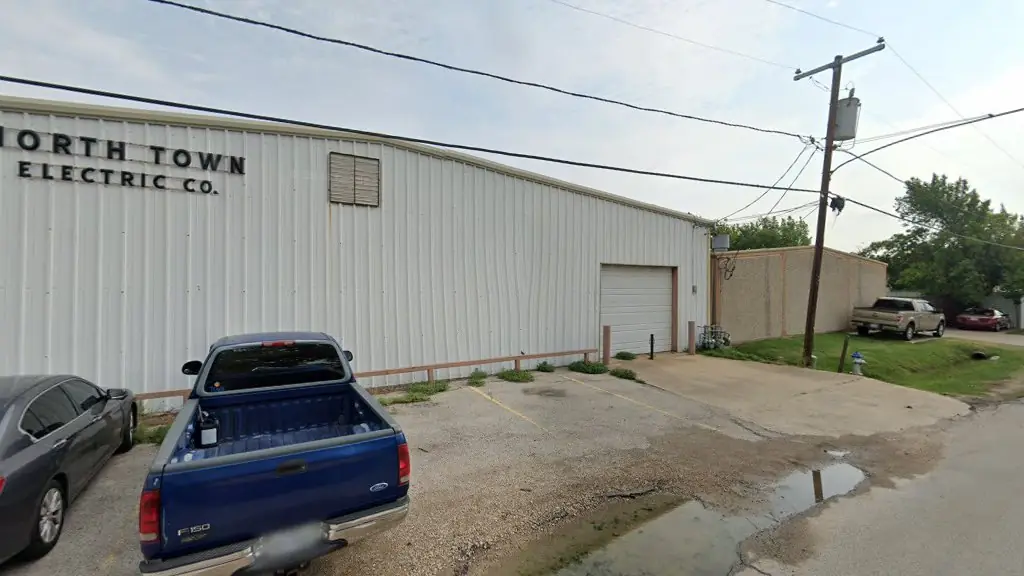
A retail store, restaurant, office building, church, hotel, or grocery store depends on continuous power in a way most other maintenance issues don't touch. When a panel trips, arcs, or fails outright, refrigeration stops, registers go down, lighting goes out, and whatever was running on that circuit stops with it. That's lost revenue in real time, and depending on what was on the circuit, damaged inventory or equipment on top of it. Panel work isn't something to hand to just anyone for this reason. North Town Electric has served commercial buildings in North Central Texas since 1955, holds Texas Electrical Contractor License #17635, and is a member of the IEC. The crew includes 2 Master Electricians, 5 Journeymen and 6 Apprentices, sized for panel work that ranges from new circuit breaker installation and sub panel installation to replacing an old main panel or fuse box, or bringing existing wiring up to current code.
A scheduled repair beats an emergency one every time
Every one of these three signs is easier and cheaper to deal with before the panel actually fails than after. A scheduled repair can be planned around when the building is quietest, with the right parts already on hand. A failure that happens mid-shift on a Tuesday afternoon doesn't offer that choice. It happens when it happens, and the building has to work around it rather than the other way around. Catching the warning sign is what turns an outage into an appointment.
What to do about it
A burning smell near a panel, visible damage to a breaker, or new equipment going into a building that hasn't had its panel checked in years are all reasons to get a licensed commercial electrician in front of it before it becomes an emergency instead of a scheduled repair. Call the office at (972) 620-1995 to talk through what you're seeing.
North Town Electric — (972) 620-1995
Call (972) 620-1995More articles
LED Retrofit Or New Fixtures: How the Decision Actually Gets Made
The fixtures already in the ceiling usually decide the question before budget does.
Why Height Access Decides Who Can Work On Your Parking Lot Lighting
A dark parking lot or a dark sign isn't a wiring problem first. It's an access problem.