Sequencing Electrical Work Around a Building That Can't Close
A building that stays open while the work happens gets planned differently from one that doesn't.
September 8, 2026 · 4 min read
A retail store, office building, or restaurant rarely has the option to close its doors for an electrical upgrade. The work still has to happen, which means it has to be planned around the building staying open, not the other way around.
Why commercial work gets sequenced differently
Commercial buildings run multiple systems off the same panel at once: refrigeration, point-of-sale equipment, HVAC, lighting zones, security systems. Taking the whole building down at once to run new wiring or replace a panel isn't usually an option, because too much depends on staying powered at the same time. The work instead gets broken into zones or circuits, so one section can go down for an hour while the rest of the building keeps running normally. That kind of phased approach is standard on a commercial job in a way it rarely needs to be on a smaller, single-purpose space.
A retail store, a church, an office building, and a hotel don't all have the same rhythm to work around either. A store cares most about the hours customers are actually walking the floor. An office building cares about the hours people are at their desks. A hotel doesn't really have a quiet stretch at all, since guests are on site around the clock, which changes which zones can safely go down and for how long. Planning a job means understanding which hours matter most for that specific building, not applying the same schedule to every commercial property.
What actually gets shut down, and what doesn't have to
Not every circuit in a building needs to go dark for work to happen somewhere in it. A panel upgrade might require the whole building to lose power briefly during the actual swap, but new wiring, added circuits, or lighting work in one part of a building often doesn't touch power anywhere else. Figuring out which circuits are actually affected, and which ones aren't, is part of the planning before any work starts, not something worked out on site while a crew is already there.
Staff need to know what to expect too, even when the work itself is minor. A short planned outage to one register bank or one lighting zone is a non-event if the team on the floor knows it's coming. The same outage with no warning reads as something broken, and someone ends up calling it in as an emergency that was actually a scheduled step in a job already underway.
What to have ready before the crew arrives
- Building access confirmed for whoever needs to get the crew in and out, including after normal traffic has cleared if the work is being timed around it.
- Any existing panel labeling or electrical drawings on hand, even if they're incomplete, since they save time locating circuits.
- A clear answer on which equipment absolutely cannot lose power, refrigeration and security systems especially, so those circuits get sequenced around first.
- A single point of contact on site or reachable by phone for the duration of the work, so questions don't stall the crew mid-job.
Why a commercial-only crew handles this differently
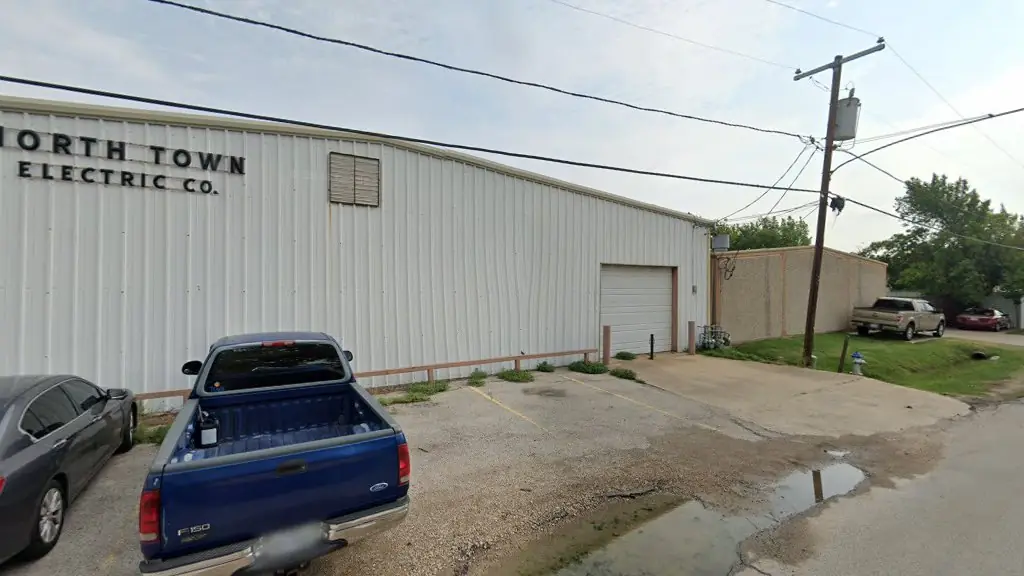
A crew that only works commercial buildings plans around trading hours and occupied space as a matter of course, rather than as an exception. North Town Electric has worked exclusively with commercial buildings, retail stores, churches, office buildings, grocery stores, and hotels among them, since 1955, and the crew includes 2 Master Electricians, 5 Journeymen and 6 Apprentices, enough to run more than one zone of a job at a time when the schedule calls for it. The company is fully licensed and insured under Texas Electrical Contractor License #17635 and is a member of the IEC.
Why a full-service, licensed contractor matters in an occupied space
Working live circuits in an occupied building carries real liability if it's done by anyone other than a properly licensed and insured contractor. A full-service commercial electric contractor that carries its own license and insurance is the one accountable if something goes wrong mid-job, which matters more in a space full of staff and customers than it does in an empty building overnight. It's also why a job that touches multiple systems, panel work, lighting, and new circuits all at once, is better handled by one crew that can sequence all of it together rather than several separate contractors working around each other's schedules.
Getting a job planned properly
The planning conversation, which circuits move first, what has to stay live, and how long the work will actually take, is worth having before a crew shows up, not after. Call the office at (972) 620-1995 to talk through a job before it's scheduled.
North Town Electric — (972) 620-1995
Call (972) 620-1995More articles
The Three Signs A Commercial Breaker Panel Is Telling You Something
A commercial panel rarely fails without warning. These are the three signs worth acting on before it does.
LED Retrofit Or New Fixtures: How the Decision Actually Gets Made
The fixtures already in the ceiling usually decide the question before budget does.